Understanding the psychology behind casino games and player behavior
The Allure of Casino Games
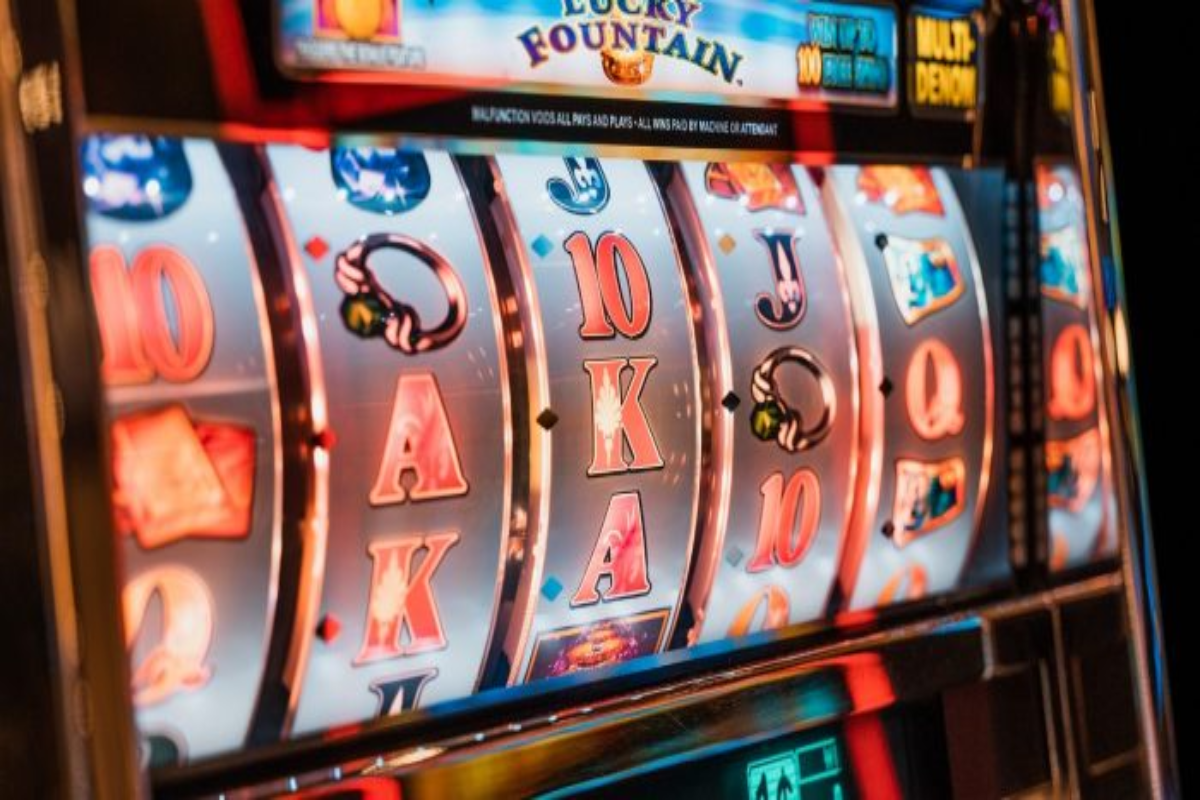
The allure of casino games can be attributed to a complex interplay of psychological factors that draw players in. The vibrant atmosphere, coupled with the promise of excitement and potential rewards, creates a captivating environment. Casinos are designed to stimulate the senses, employing bright lights, engaging sounds, and enticing visuals, all of which are meticulously curated to attract players who enjoy options like nz online casino and keep them engaged for extended periods. This sensory overload can evoke feelings of euphoria and a sense of escapism, making it easy to lose track of time.
Moreover, the thrill of uncertainty plays a significant role in the attraction to casino games. Players experience a rush of adrenaline when faced with a gamble, as the outcome is unpredictable. This unpredictability taps into a fundamental psychological principle known as variable reward schedules, where rewards are given at irregular intervals. Such reinforcement schedules increase a player’s engagement and investment in the game, as the potential for a big win keeps hope alive, regardless of previous losses. This psychological mechanism contributes to the excitement and addictive nature of gambling.
Additionally, the role of social interaction in casinos cannot be overlooked. Many games promote a communal atmosphere where players can share experiences, celebrate wins together, or commiserate over losses. This social dynamic enhances the enjoyment of the games, making players more likely to return. Peer influence can also affect behavior, as players may feel encouraged to engage in gambling activities to fit in or bond with friends, further amplifying the attraction to these games. By understanding these elements, one can appreciate the psychological foundation that makes casino games so appealing.
The Role of Decision-Making in Gambling
Decision-making in gambling environments is influenced by a variety of cognitive biases that can lead players to make irrational choices. One common bias is the “illusion of control,” where players believe they can influence the outcome of games predominantly governed by chance. For instance, a player may think that mastering a particular strategy in a game like blackjack provides them with an edge, leading to a greater willingness to take risks. This cognitive distortion can result in repeated gambling behavior, even in the face of consistent losses.
Furthermore, the phenomenon of “loss aversion” also plays a crucial role in shaping player behavior. Studies have shown that the pain of losing is psychologically more impactful than the pleasure derived from winning an equivalent amount. This fear of loss can lead players to chase their losses, a behavior where individuals continue to gamble in an attempt to recoup previous expenditures. This decision-making spiral often perpetuates a cycle of gambling that can be hard to break, highlighting the importance of understanding the cognitive processes involved in player behavior.
Last but not least, emotional states significantly impact decision-making in gambling scenarios. Players often gamble to escape negative emotions or boost their mood. Those seeking excitement may gravitate toward high-stakes games, while others may engage in gambling as a form of stress relief. This emotional aspect complicates rational decision-making and can lead individuals to make choices they might not otherwise consider. Awareness of how emotions influence gambling decisions is crucial for understanding player behavior and the psychological factors at play.
The Impact of Marketing on Player Behavior
Marketing strategies employed by casinos and online gambling platforms are intricately designed to exploit psychological principles that influence player behavior. One effective tactic is the use of promotions and bonuses, which are strategically offered to entice new players and retain existing ones. These incentives create a sense of urgency and necessity, pushing players to take immediate action to capitalize on perceived value. The thrill of receiving a bonus or reward can also fortify commitment to the casino, reinforcing the positive association between the player and the brand.
Moreover, the concept of “gamification” in marketing has gained traction within the gambling industry. This approach incorporates game-like elements into promotional strategies, making the experience more engaging and rewarding for players. For instance, loyalty programs can create a level of competition among players, encouraging them to return frequently to achieve higher status. By tapping into players’ intrinsic motivations, casinos can effectively cultivate player loyalty and prolong engagement, thus maximizing their overall spending.
Casinos also leverage social proof to enhance their marketing efforts. By showcasing testimonials, highlighting successful players, and creating a buzz around certain games, they craft a narrative that influences potential players’ perceptions. Observing others enjoy success can invoke feelings of FOMO (fear of missing out), leading individuals to try their hand at the games themselves. This blend of psychological tactics ensures that marketing plays a pivotal role in shaping player behavior and driving traffic to gambling establishments.
The Psychology of Winning and Losing
The psychological effects of both winning and losing in casino environments can significantly dictate future player behavior. Winning, for instance, can produce a euphoric response akin to a “high,” reinforcing the desire to continue gambling. This experience is often amplified by the immediate reward of winning, which fuels further engagement. The “near-miss” phenomenon also plays a vital role, where a player comes close to winning without achieving it. Near-misses can provoke feelings of hope and encouragement, often prompting players to keep trying in the belief that they are close to hitting the jackpot.

On the other hand, losing can create a complex emotional response. Players may experience frustration or shame, prompting them to re-evaluate their strategies or to play more aggressively in an attempt to recover losses. Such reactions can lead to a toxic cycle where individuals may gamble more to escape the negative feelings associated with losing, further entrenching themselves into behaviors that can be detrimental over time. Understanding this emotional rollercoaster is essential for recognizing the addictive potential of casino games.
This psychological interplay between victory and defeat also underscores the importance of self-awareness for gamblers. The ability to recognize one’s emotional responses and the motivations driving gambling behavior can serve as a defense mechanism against falling into compulsive gambling habits. By cultivating an understanding of the psychology behind winning and losing, players can better navigate their experiences within gambling environments, leading to healthier engagement with these activities.
Understanding Players and Responsible Gaming
Understanding the psychological underpinnings of player behavior in casinos is vital for promoting responsible gaming practices. As more players become aware of the factors influencing their gambling decisions, they are better equipped to make informed choices. Educating players on cognitive biases, emotional triggers, and the thrill of gambling can empower them to recognize unhealthy habits and take proactive measures to mitigate risks associated with gambling.
Moreover, the implementation of responsible gaming frameworks remains crucial in the gambling industry. These programs educate players about setting limits, recognizing signs of addiction, and seeking help when necessary. By fostering an environment where responsible gaming is prioritized, casinos can demonstrate their commitment to player welfare, which can enhance their reputation and attract more conscientious customers.
Finally, promoting awareness of resources available for individuals struggling with gambling issues can help build a supportive community around responsible gaming. This support can create a more sustainable gaming environment, where players can enjoy the fun and excitement of gambling without succumbing to its darker aspects. By emphasizing education and awareness, players can develop healthier relationships with casino games, illustrating the importance of understanding the psychology behind their behaviors.